9 Texture-Based Decor Ideas for Depth & Style
A well-designed interior is never defined by color alone—it is truly brought to life through texture. Texture adds dimension, emotion, and subtle richness that makes a space feel complete rather than flat. In modern design, where minimalism and clean aesthetics are highly valued, texture becomes the silent element that creates depth without overwhelming the eye. It is what transforms a simple room into a visually engaging and thoughtfully curated environment.
This collection of 9 Texture-Based Decor Ideas for Depth & Style focuses on elevating interiors through layers of material contrast and tactile interest. From soft fabrics and natural finishes to structured surfaces and organic elements, each idea highlights how texture can shape the mood of a space in a refined and elegant way. Instead of relying on excessive décor, the focus shifts toward intentional layering—where every surface, fabric, and object contributes to a balanced visual story.

What makes texture so powerful is its ability to work subtly yet effectively. A room can remain neutral in color but still feel rich and dynamic when different materials interact—smooth against rough, soft against structured, matte against glossy. This contrast creates visual rhythm and prevents spaces from feeling dull or one-dimensional.
These ideas are designed for interiors that value depth, warmth, and understated luxury, proving that true style is not about adding more, but about choosing the right textures that quietly define the atmosphere.
1. Layered Fabric Bedding Texture
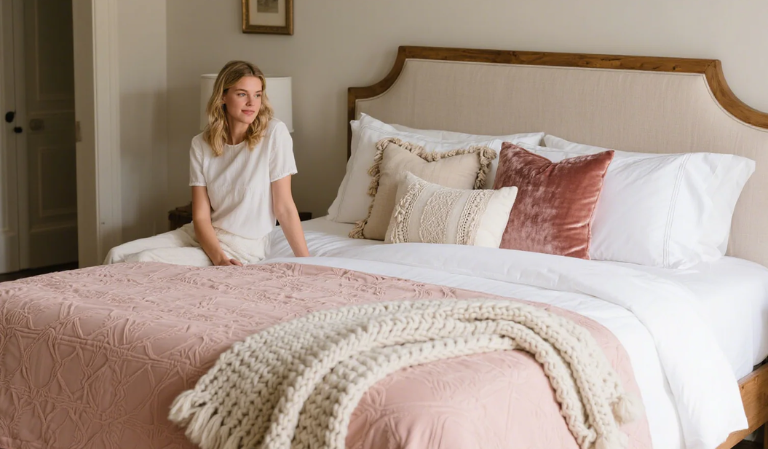
A textured bedroom begins with the bed, and layered fabrics instantly create depth and visual richness. Instead of relying on flat, single-tone bedding, combining materials like linen, cotton, and light woven throws adds a soft dimensional effect. The beauty of this idea lies in subtle contrast—smooth sheets paired with slightly crinkled textures create a relaxed yet refined atmosphere. Neutral tones work best because they allow texture to stand out without distraction. When light falls on layered bedding, it enhances every fold and surface detail, giving the bed a luxurious, hotel-like appearance that feels both inviting and thoughtfully designed.
The key is not overloading the bed but allowing each layer to contribute to a calm, balanced composition that feels naturally elegant.
2. Textured Wall Finishes
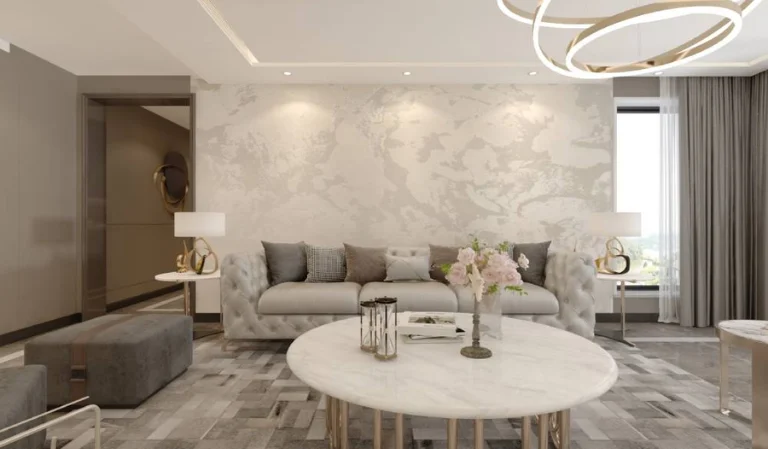
Walls play a major role in defining bedroom depth, and textured finishes elevate them beyond plain surfaces. Materials like soft plaster, fabric panels, or subtle 3D wall designs introduce quiet sophistication. Instead of bold patterns, the focus is on gentle surface variation that interacts with light throughout the day. This creates a shifting visual effect that makes the room feel alive yet calm. A single textured wall, especially behind the bed, can act as a grounding element that enhances the entire room’s aesthetic while maintaining a minimalist identity.
3. Wooden Natural Grain Accents
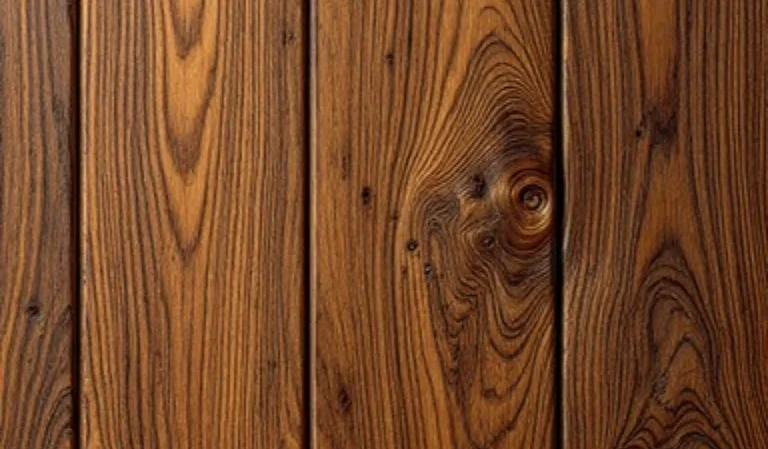
Wood brings warmth and organic texture into a bedroom, balancing modern interiors with natural depth. Visible grain patterns on furniture like bedside tables, headboards, or flooring introduce subtle visual movement. This natural imperfection adds character, making the space feel more grounded and lived-in. When paired with soft textiles, wood creates a beautiful contrast between structured and soft elements, enhancing the overall harmony of the room. Light oak or walnut finishes work especially well for a calm, modern look.
4. Woven Rug Layering
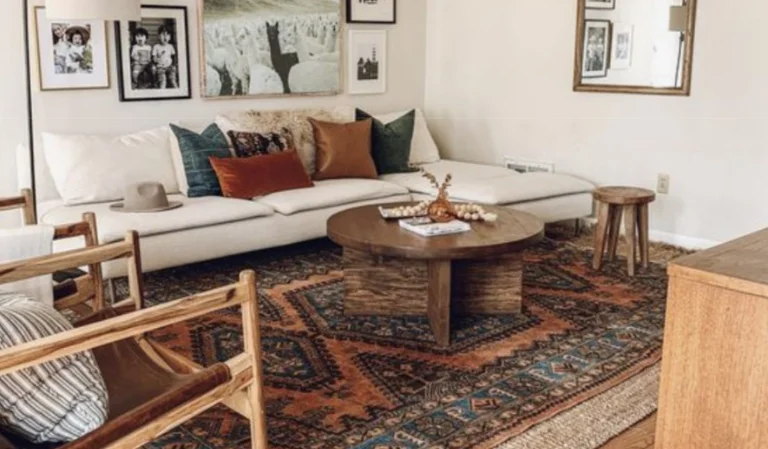
A woven rug instantly adds tactile comfort and visual grounding to a bedroom. Its texture introduces softness underfoot while breaking the flatness of flooring. Whether placed under the bed or in a central area, the rug creates a defined space that feels warm and intentional. Subtle patterns or natural fibers like jute or wool enhance the organic feel without overwhelming the design. The layered texture of woven materials adds depth that makes the room feel more complete and inviting.
5. Linen Curtain Flow
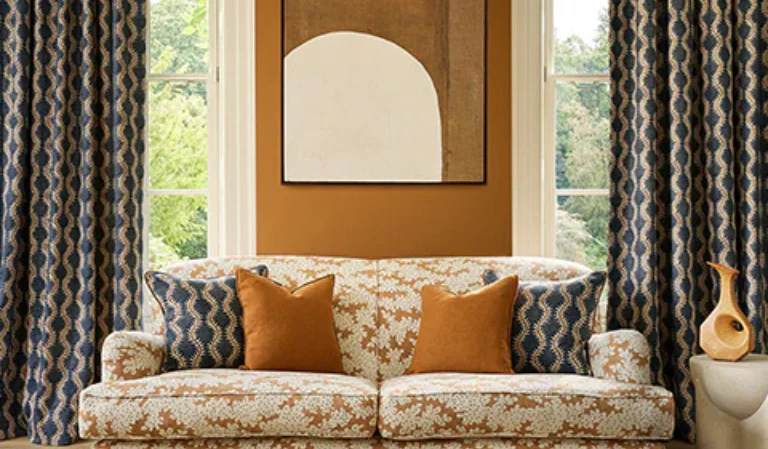
Linen curtains bring effortless texture through their natural drape and soft folds. Unlike heavy fabrics, linen moves gently with air, adding life and softness to the room. Its slightly uneven texture creates a relaxed yet elegant aesthetic, especially when paired with neutral walls. As natural light passes through, it highlights the fabric’s subtle grain, giving the space a warm, diffused glow. This creates a calming atmosphere that feels both airy and refined.
6. Cushioned Textural Layers
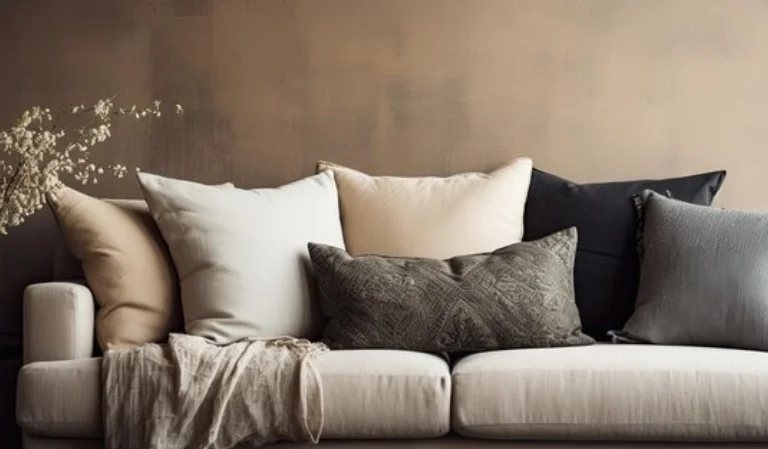
Decorative cushions introduce layered softness and tactile variety to a bedroom. Mixing materials like velvet, knitted fabric, and cotton creates a rich contrast that enhances visual depth. Instead of uniform styling, varied textures make the bed or seating area feel more dynamic and thoughtfully arranged. Soft touch fabrics add comfort while also contributing to the overall aesthetic balance. When coordinated in neutral or muted tones, they enhance luxury without overwhelming the space.
7. Stone & Ceramic Decor Elements
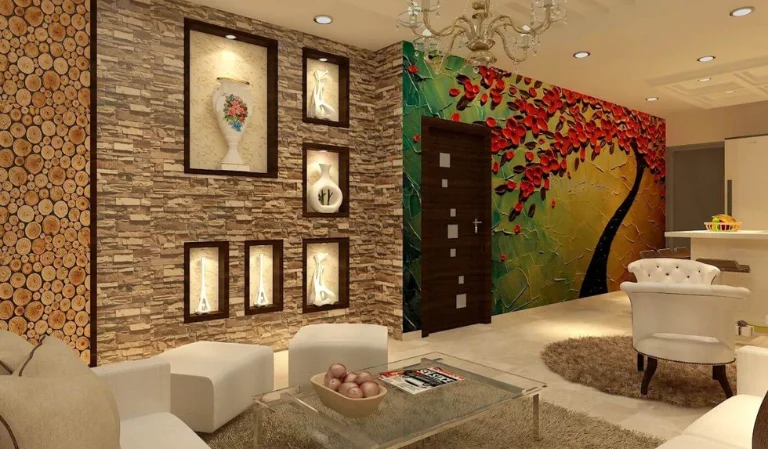
Stone and ceramic accents introduce a grounded, natural texture that contrasts beautifully with soft bedroom materials. Items like vases, lamps, or trays in matte stone finishes add subtle weight and sophistication. Their smooth yet slightly imperfect surfaces create visual interest while maintaining simplicity. These elements work especially well on bedside tables or shelves, where they balance softness with structure, adding depth to the overall design without clutter.
8. Upholstered Headboard Texture
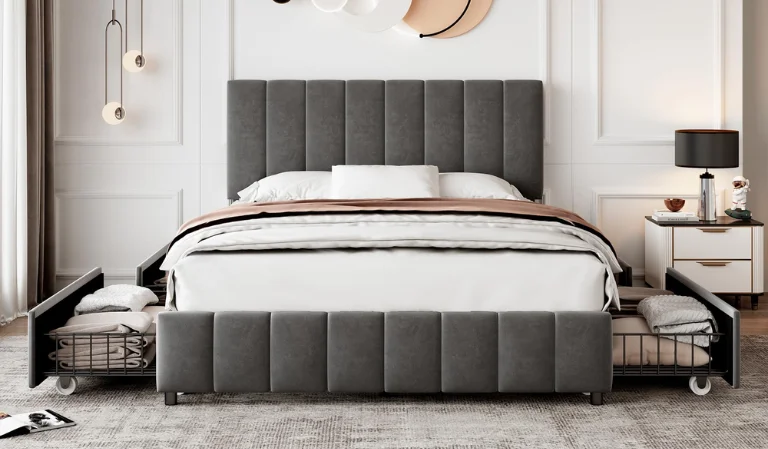
An upholstered headboard instantly elevates bedroom texture through softness and structure combined. Fabric choices like velvet, suede, or linen create a tactile focal point behind the bed. The padded surface adds depth while enhancing comfort and luxury. This feature also softens the visual impact of the bed frame, making the sleeping area feel more inviting. Neutral tones maintain a calm aesthetic while allowing the texture to stand out as a key design element.
9. Layered Lighting Texture Effect
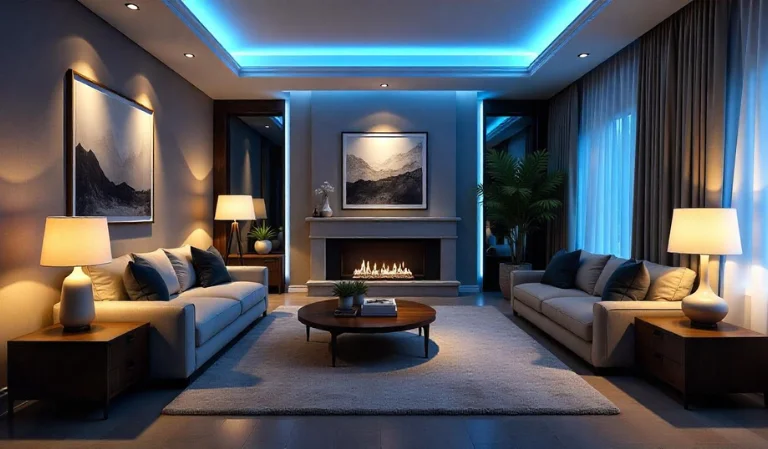
Lighting itself can create texture by interacting with surfaces in the bedroom. Soft, layered lighting such as lamps, warm LEDs, or diffused ceiling lights enhances shadows and highlights across fabrics and walls. This interplay creates a sense of depth that changes throughout the day. Instead of harsh lighting, gentle illumination brings out material details, making textures more visible and atmospheric. This subtle effect transforms the room’s mood and adds quiet luxury.
Conclusion
Texture is what gives a Decor its personality, depth, and quiet luxury. Even in minimal interiors, layered materials and subtle contrasts can transform a flat space into a rich, visually engaging environment. When used thoughtfully, texture becomes the foundation of timeless and elegant design.
Decor Caring Tip
To maintain a textured Decor aesthetic, regularly clean and refresh fabrics and surfaces, because dust and dullness can reduce the natural beauty of textures and make the space feel flat instead of refined.