11 Raised Bed Lettuce Garden Ideas for Continuous Harvest
A raised bed lettuce garden is one of the most rewarding ways to grow fresh, crisp greens right at home while maintaining a sense of order, efficiency, and natural beauty. Unlike traditional gardening methods, raised beds offer better control over soil quality, drainage, and spacing, which makes them ideal for achieving a continuous harvest throughout the season. This approach not only enhances productivity but also brings a clean, structured aesthetic to your outdoor or backyard space.
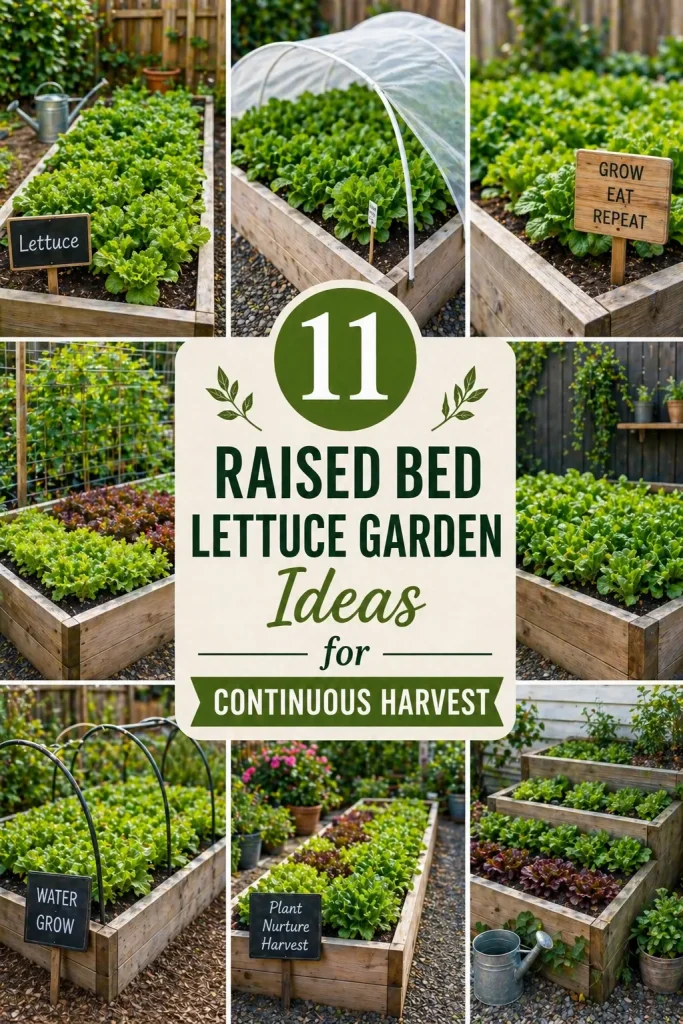
This collection of 11 Raised Bed Lettuce Garden Ideas for Continuous Harvest is designed for gardeners who value both function and visual harmony. Each idea focuses on maximizing yield while maintaining an organized and easy-to-manage growing system. From smart planting layouts and staggered sowing techniques to creative bed arrangements and companion planting strategies, these concepts help you keep fresh lettuce available all season long without overwhelming your space.
Raised beds also introduce a sense of refinement to gardening. Their defined borders create a neat, elevated structure that separates your growing area from the surrounding soil, making the entire setup look intentional and well-designed. This structure not only improves accessibility but also reduces maintenance, allowing you to focus more on growth and less on complications.
Whether you have a small backyard, a patio garden, or a dedicated outdoor space, these ideas will help you transform simple lettuce cultivation into a continuous, productive, and visually pleasing gardening system.
1. Succession Planting Raised Bed System
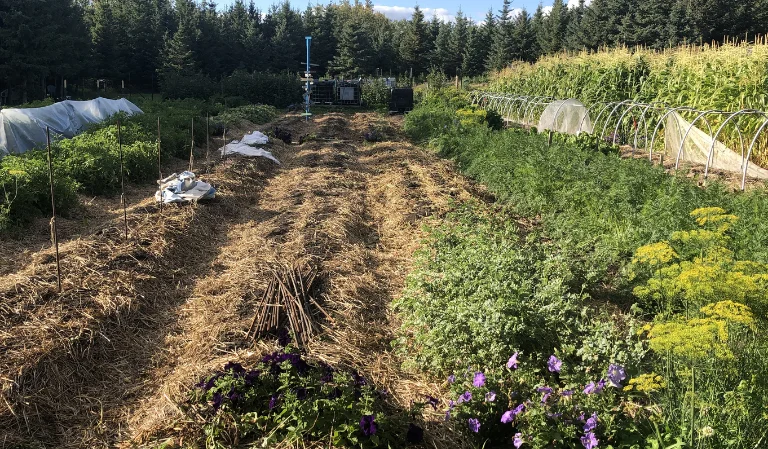
A succession planting system in a raised bed is one of the most effective ways to ensure a continuous supply of fresh lettuce throughout the growing season. Instead of planting everything at once, seeds are sown in small intervals, allowing new growth to replace harvested sections gradually. This creates a smooth rotation where mature lettuce is always available while younger plants are developing. The raised bed structure supports this method perfectly because it allows clear segmentation of soil space, making replanting easy and organized. The result is a garden that never feels empty or overgrown, but instead maintains a balanced rhythm of growth. This method also helps improve soil usage efficiency and keeps the harvest consistent without overwhelming maintenance.
2. Mixed Variety Lettuce Bed
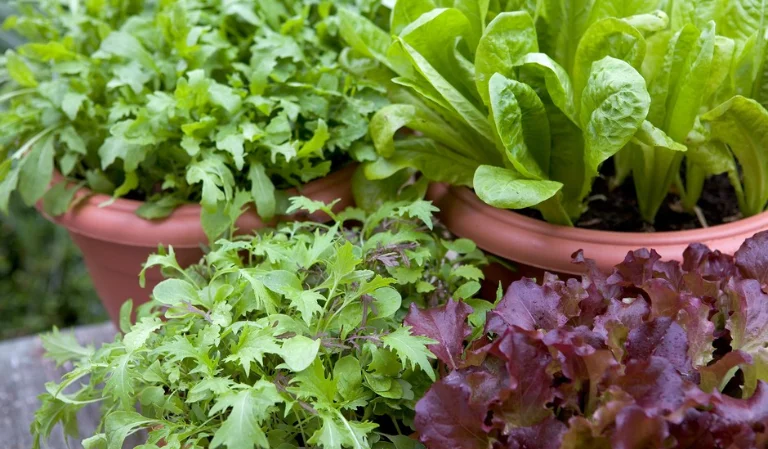
A mixed variety lettuce bed introduces visual richness and continuous harvest potential by combining different lettuce types within the same raised structure. Instead of growing a single variety, gardeners plant loose-leaf, romaine, and butterhead lettuce together, creating a layered growing environment. Each variety matures at a slightly different pace, which naturally extends the harvesting window. The raised bed allows proper spacing so each plant can grow without competition, while still maintaining a cohesive layout. This approach not only enhances productivity but also adds subtle color and texture variation to the garden, making it visually appealing and highly functional.
3. Cut-and-Come-Again Harvest Method
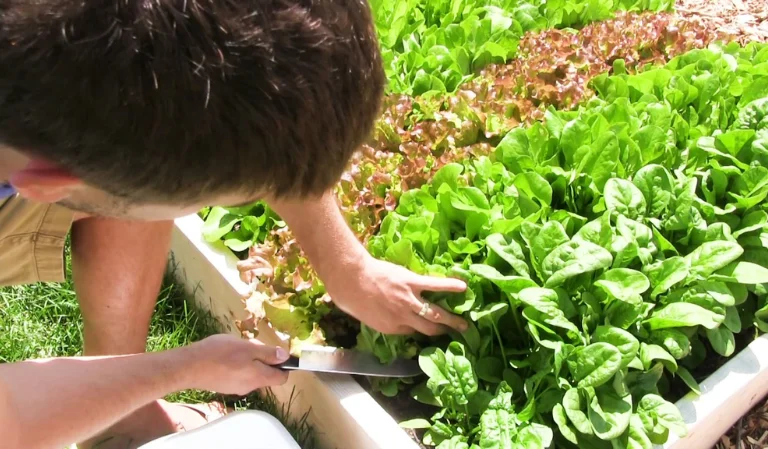
The cut-and-come-again method is ideal for maintaining a constant lettuce supply in a raised bed garden. Instead of pulling the entire plant, only the outer leaves are harvested, allowing the inner core to continue producing new growth. This technique significantly extends the life cycle of each plant and reduces the need for frequent replanting. Raised beds support this method efficiently because they provide controlled soil conditions that promote healthy regrowth. Over time, this creates a sustainable system where a few plants can produce multiple harvests, making the garden both productive and low-maintenance.
4. Staggered Row Planting Design

Staggered row planting in raised beds ensures that lettuce grows in a structured yet highly effic
/ient pattern. Instead of planting in straight, uniform lines, seeds are placed in offset rows, allowing better airflow, light exposure, and space utilization. This arrangement reduces overcrowding and supports healthier plant development. As different rows mature at different times, harvesting becomes continuous and organized. The raised bed structure enhances this method by clearly defining planting zones, making it easier to manage growth cycles and maintain a steady supply of fresh lettuce throughout the season.
5. Vertical Companion Planting Layer
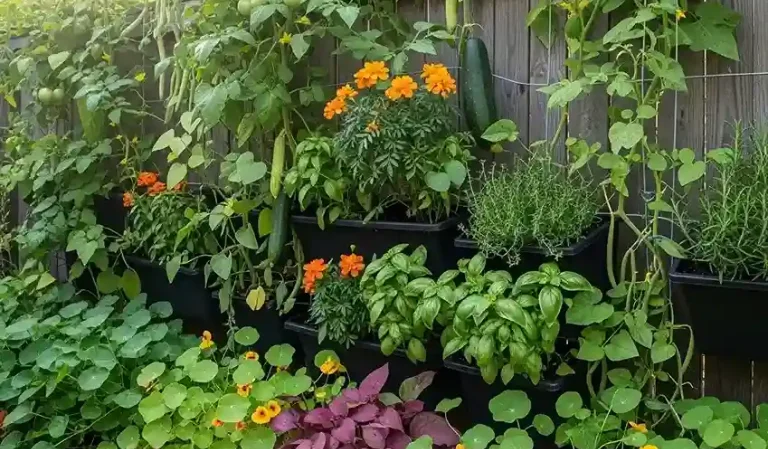
Vertical companion planting in a raised lettuce bed involves integrating taller o
/r supportive plants around lettuce to maximize space efficiency. While lettuce grows low to the ground, complementary plants such as herbs or lightweight vegetables are placed strategically to create a layered ecosystem. This not only improves space utilization but also enhances soil health and natural pest resistance. The raised bed design helps maintain separation while still allowing interaction between plant types. The result is a balanced garden where different plants support each other, leading to healthier growth and a more consistent harvest.
6. Micro-Harvest Zone Division
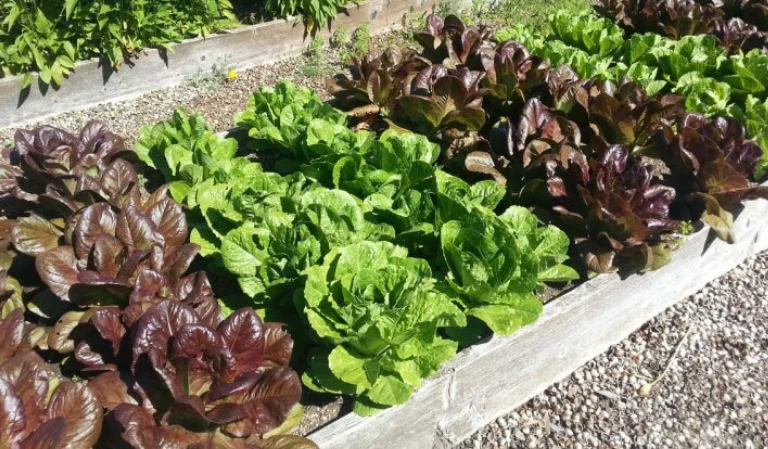
Dividing a raised bed into micro-harvest zones allows for highly organized lettuce production. Each section of the bed is planted at different times, creating multiple growth cycles within the same space. This ensures that while one zone is being harvested, another is reaching maturity, and another is still growing. The structured nature of raised beds makes this division easy to implement. Over time, this method creates a predictable and continuous harvest system that minimizes waste and maximizes productivity, making the garden feel both efficient and controlled.
7. Raised Bed Edge Planting
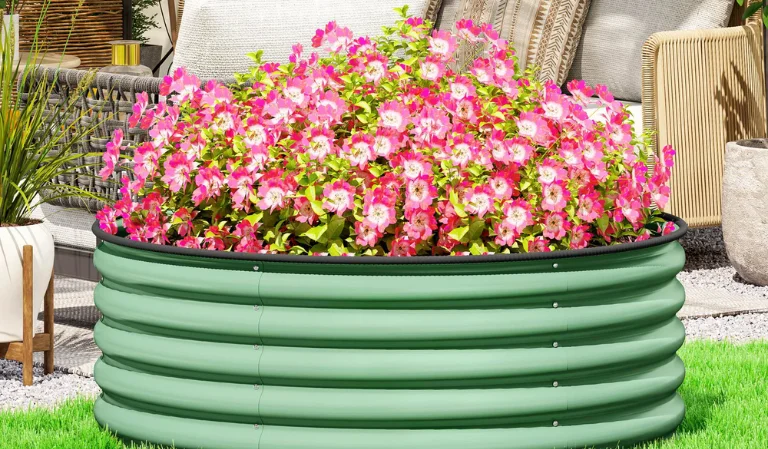
Edge planting uses the borders of a raised bed to grow lettuce in a highly efficient and visually appealing way. Instead of concentrating plants only in the center, lettuce is planted along the edges, maximizing usable space. This method improves accessibility, making harvesting easier without disturbing other plants. It also enhances airflow and light distribution, which supports healthier growth. The raised structure naturally frames the garden, giving it a clean and organized appearance while maintaining continuous production.
8. Drip Irrigation Consistency Layout
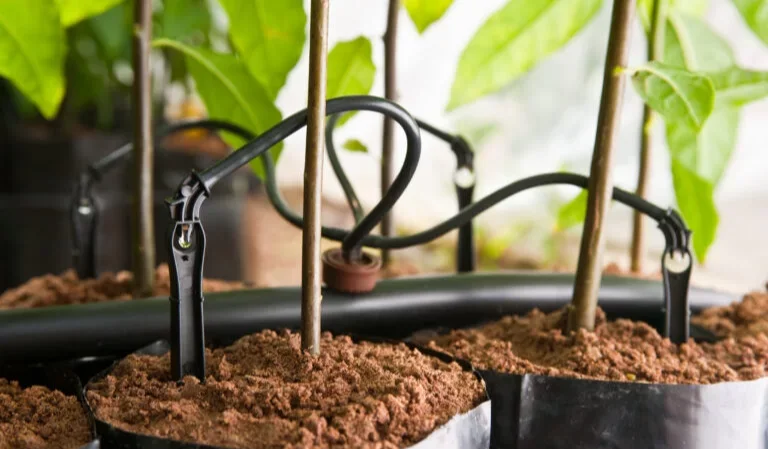
A drip irrigation layout in a raised lettuce bed ensures consistent moisture levels, which is essential for continuous harvest. Instead of manual watering, a controlled drip system delivers water directly to the roots, promoting steady growth and reducing stress on the plants. This system is especially effective in raised beds because the defined structure allows precise water distribution. Consistent hydration leads to faster regrowth after harvesting, making the lettuce production cycle more reliable and efficient over time.
9. Seasonal Rotation Raised Bed
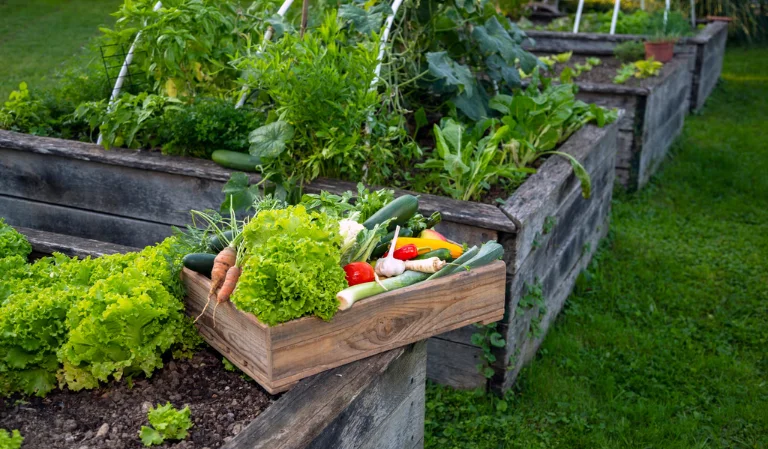
Seasonal rotation involves changing planting patterns in a raised bed based on temperature and growing conditions. Lettuce is planted in cycles suited for cooler or moderate seasons, while the bed is refreshed between rotations. This prevents soil depletion and maintains long-term productivity. The raised structure makes it easier to clear, amend, and replant sections without disturbing the entire garden. Over time, this method ensures continuous harvest across multiple seasons while keeping the soil healthy and balanced.
10. Dense Baby Lettuce Planting
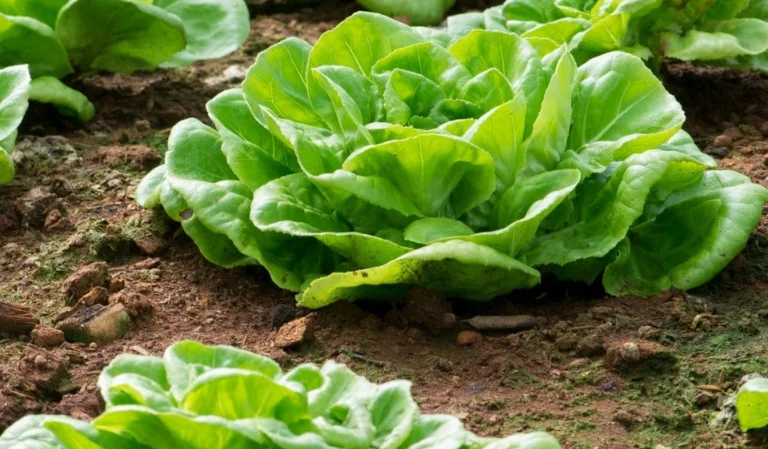
Dense planting of baby lettuce focuses on growing closely spaced plants for quick and frequent harvesting. Instead of allowing full maturity, lettuce is harvested young, encouraging rapid regrowth cycles. Raised beds support this method by providing controlled soil conditions that sustain dense growth without competition. This approach is ideal for continuous supply, as new shoots keep replacing harvested greens quickly, ensuring a steady flow of fresh produce.
11. Layered Soil Nutrition System

A layered soil system in raised beds enhances lettuce growth by ensuring long-term soil fertility. Different organic layers such as compost, topsoil, and natural mulch are used to create a nutrient-rich environment. This supports healthy root development and encourages faster regrowth after each harvest. The structured nature of raised beds allows these layers to remain stable and effective. Over time, this results in stronger plants and a more consistent, high-quality lettuce yield.
Conclusion
A raised bed lettuce garden is not just about growing food—it is about creating a sustainable, structured, and continuous system of fresh harvests. With the right techniques, a simple space can transform into a highly productive and beautifully organized green zone that delivers freshness throughout the season.
Raised Bed Lettuce Caring Tip
Always maintain consistent moisture and light soil aeration, because lettuce thrives best when its roots stay cool, hydrated, and never compacted.