10 Hidden Decor Ideas Designers Always Use
Great interior design is often about the details people don’t immediately notice. While statement furniture, beautiful paint colors, and stylish accessories get most of the attention, professional designers rely on subtle decorating techniques that quietly elevate a space. These hidden decor ideas create balance, improve functionality, add depth, and make homes feel more polished without appearing overly decorated.
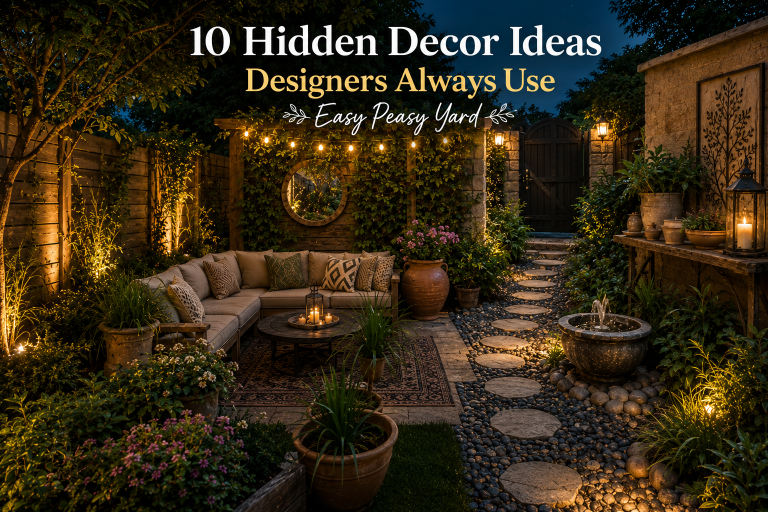
The secret behind many stunning interiors is not expensive furniture or luxury materials—it’s thoughtful styling. Designers understand how to guide the eye, create visual harmony, and make rooms feel larger, brighter, and more inviting. From strategic lighting placement to layering textures and concealing clutter, these tricks can transform ordinary rooms into designer-inspired spaces.
Whether you’re decorating a small apartment, refreshing a living room, or updating an entire home, these hidden decor ideas can make a significant difference. Best of all, many of them are affordable and easy to implement. By incorporating a few of these professional techniques, you can create a home that feels sophisticated, comfortable, and effortlessly stylish.
Here are ten hidden decor ideas designers use to achieve beautiful, balanced interiors.
1. Layer Multiple Light Sources
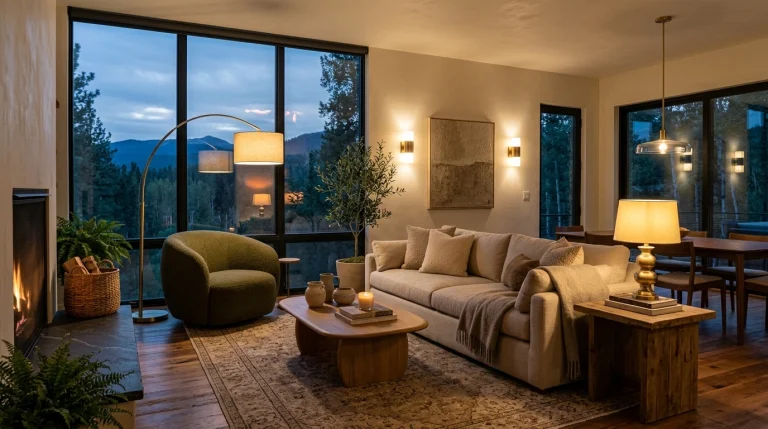
Professional designers rarely rely on a single ceiling fixture. Instead, they combine ambient, task, and accent lighting to create depth and warmth. Table lamps, wall sconces, floor lamps, and pendant lights work together to make a room feel cozy and inviting. Layered lighting also allows flexibility for different moods and activities throughout the day.
2. Use Large Rugs to Define Spaces
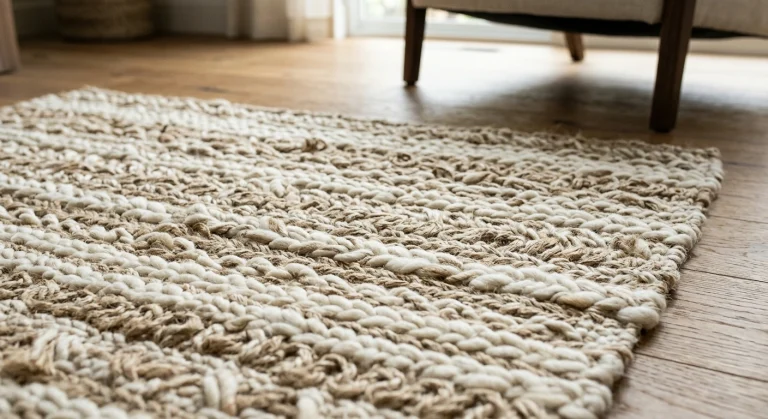
One common designer secret is choosing rugs larger than most homeowners expect. A generously sized rug anchors furniture and creates a sense of cohesion. Small rugs can make a room feel disconnected, while larger rugs visually expand the space and make layouts appear intentional and luxurious.
3. Add Texture Instead of More Color
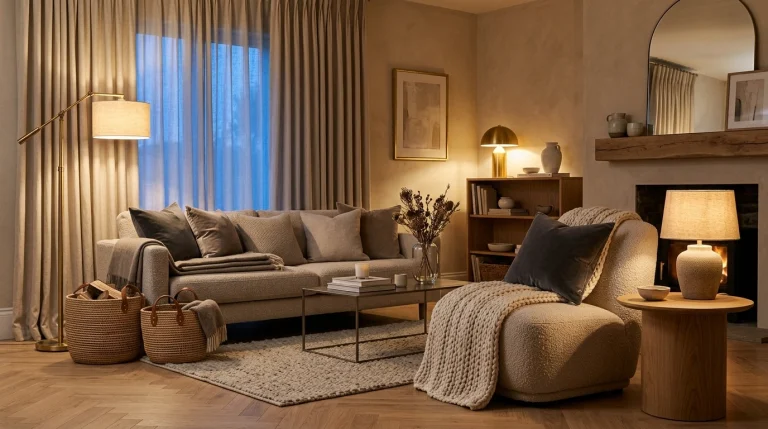
Rather than introducing numerous colors, designers often add interest through texture. Linen curtains, woven baskets, velvet cushions, wood accents, and natural fibers create visual richness. Layering textures adds depth and sophistication while maintaining a calm and cohesive color palette.
4. Style Shelves with Empty Space
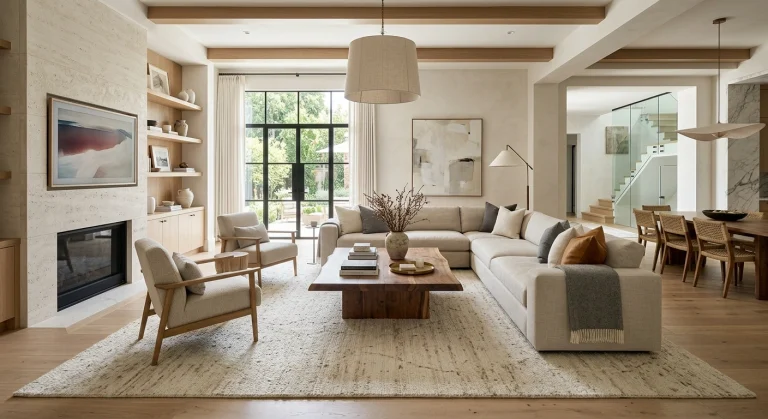
Many people overcrowd shelves with decorative items. Designers know that empty space is just as important as decor. Leaving breathing room around books, plants, and accessories helps each piece stand out. This creates a curated look that feels elegant rather than cluttered.
5. Incorporate Hidden Storage Solutions
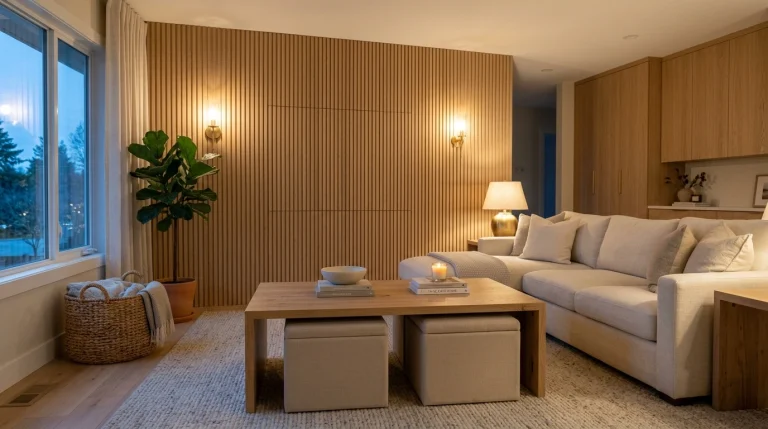
Beautiful rooms stay beautiful because clutter is controlled. Designers frequently use ottomans with storage, built-in cabinets, decorative baskets, and multifunctional furniture. Hidden storage keeps everyday items accessible while maintaining a clean and organized appearance.
6. Hang Curtains Higher Than Windows
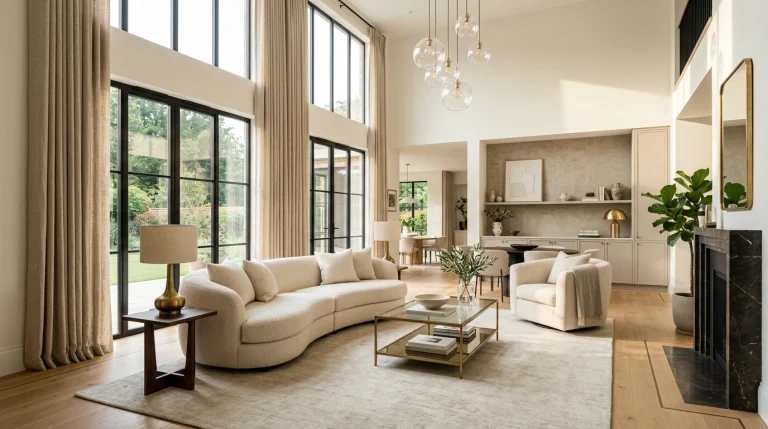
A simple trick designers use is mounting curtain rods closer to the ceiling rather than directly above windows. This draws the eye upward and makes ceilings appear taller. The result is a room that feels larger, brighter, and more luxurious without any structural changes.
7. Layer Decorative Accessories
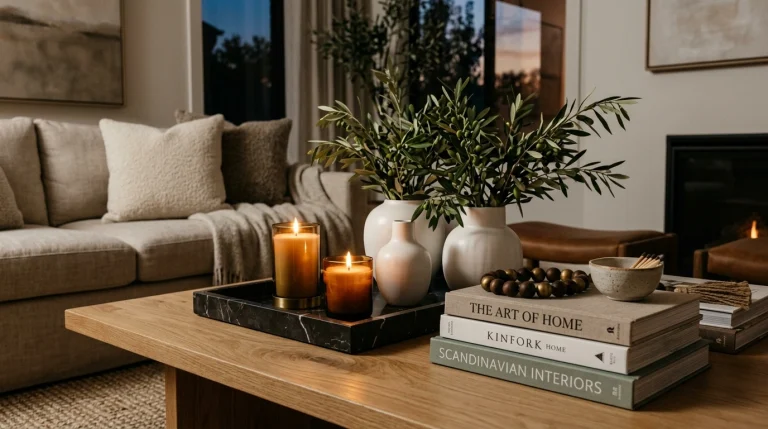
Instead of placing accessories individually, designers layer them thoughtfully. A stack of books topped with a candle, a vase placed beside framed art, or a tray holding several decorative objects creates depth and visual interest. Layering gives surfaces a collected and professionally styled appearance.
8. Use Mirrors to Reflect Light
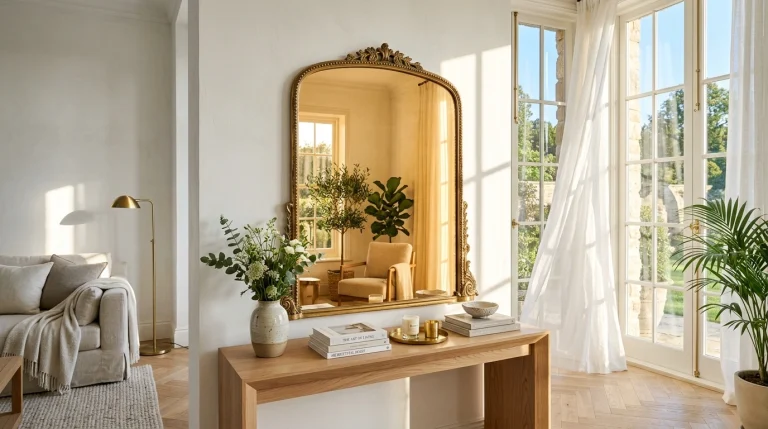
Mirrors are one of the most effective hidden decor tools. Positioned strategically across from windows or light sources, they reflect natural light throughout a room. This makes spaces feel brighter, larger, and more open while adding elegance and dimension.
9. Mix Different Materials
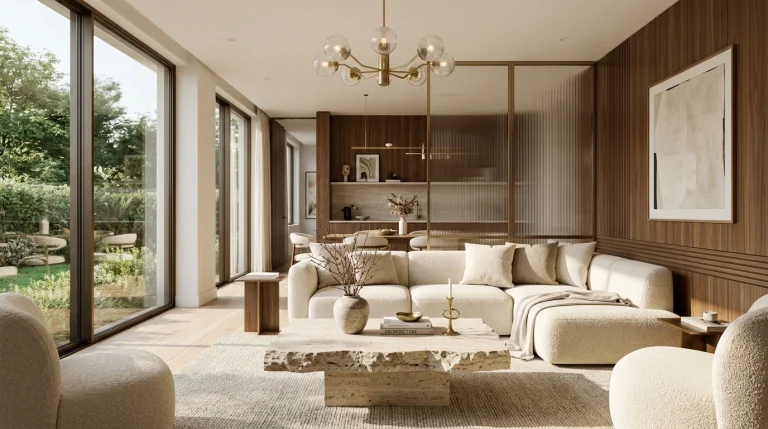
Designer interiors often combine wood, metal, glass, stone, and fabric within the same space. Mixing materials prevents rooms from feeling flat or repetitive. The contrast between textures and finishes creates balance and adds visual sophistication without overwhelming the design.
10. Create Visual Triangles
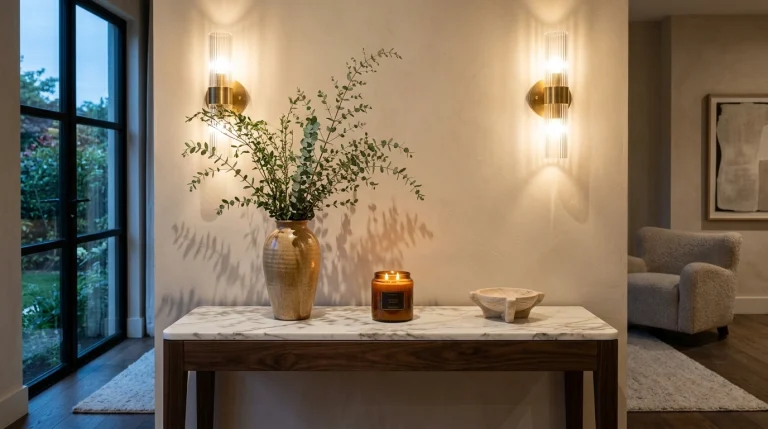
A favorite designer styling technique is arranging decor in triangular groupings. For example, combining a tall vase, medium-sized candle, and small decorative object creates balance and natural flow. This subtle arrangement feels pleasing to the eye and makes displays appear professionally styled.
Conclusion
The most beautiful homes often rely on hidden design techniques rather than obvious decorating trends. By layering lighting, incorporating texture, using larger rugs, maximizing storage, and thoughtfully styling accessories, you can achieve a polished designer look without a major renovation. These simple yet effective decor ideas help create rooms that feel balanced, welcoming, and timeless. Start with just a few of these professional secrets, and you’ll notice a remarkable transformation in the overall look and feel of your home.