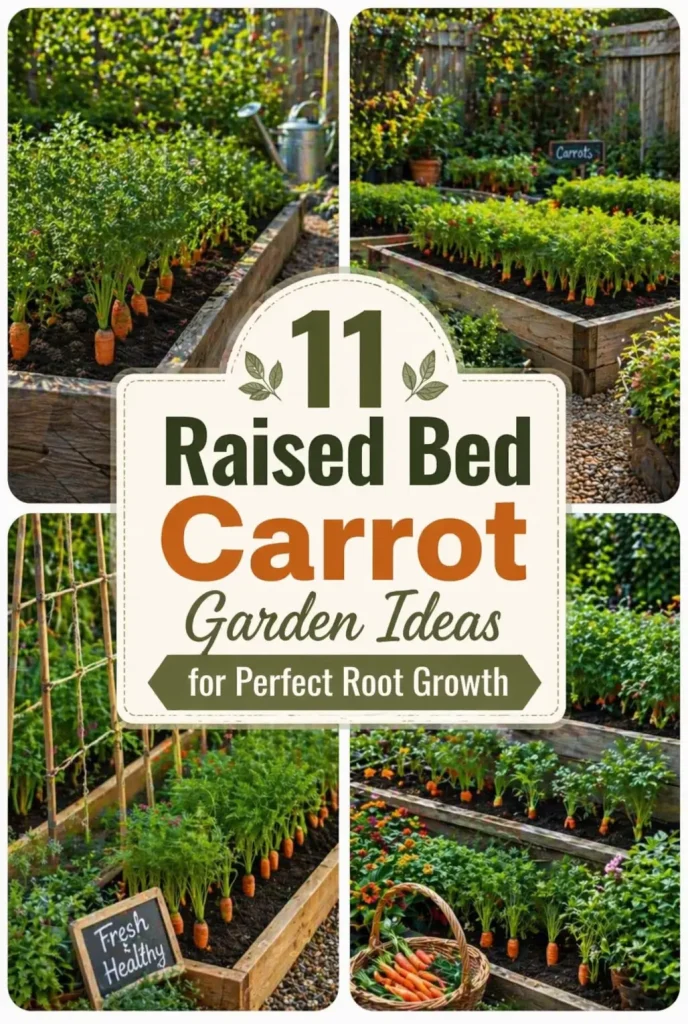
11 Raised Bed Carrot Garden Ideas for Perfect Root Growth
Growing carrots in a raised bed is one of the most rewarding ways to enjoy fresh, sweet, and perfectly shaped root vegetables right at home. Unlike traditional ground gardening, raised beds give you better control over soil quality, drainage, and spacing—all of which play a major role in healthy carrot development. When the soil is loose, deep, and well-prepared, carrots grow straighter, smoother, and with richer flavor.
A raised bed carrot garden also makes gardening more organized and efficient. It reduces soil compaction, keeps weeds under control, and allows roots to expand freely without obstruction. This means healthier growth and more consistent results throughout the season. Whether you have a small backyard or a dedicated garden space, raised beds can easily be customized to suit your needs.
Another advantage is accessibility. Raised beds are easier to maintain, water, and harvest from, making the gardening experience more enjoyable and less physically demanding. With the right design and planting techniques, even beginners can achieve impressive results.
In this article, we’ll explore 11 raised bed carrot garden ideas that will help you achieve perfect root growth. Each idea focuses on improving soil structure, spacing, and planting conditions so you can grow carrots that are crisp, straight, and full of flavor.
1. Deep Soil Raised Bed Setup

Carrots need deep, loose soil to grow straight and healthy, and a raised bed provides the perfect environment for this. A deep soil setup ensures that the roots can penetrate easily without obstruction from rocks or compacted ground. This helps carrots develop a smooth shape and improves their overall size and texture. Raised beds also allow better control over soil quality, making it easier to maintain the ideal growing conditions. When soil is well-prepared and aerated, carrot growth becomes more consistent and productive.
2. Loose Sandy Soil Mix Design
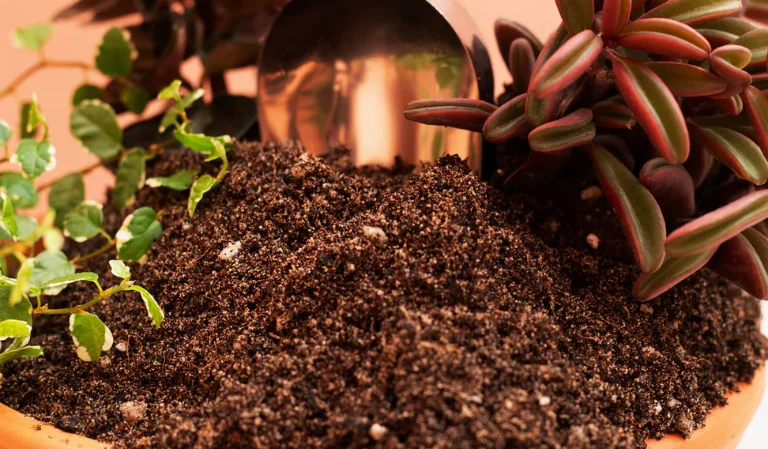
A sandy, loose soil mix is essential for perfect carrot growth. In a raised bed, combining garden soil with sand and organic compost creates a light texture that allows roots to grow freely. Heavy or clay-like soil can cause deformation in carrots, but a loose mix ensures straight and healthy development. This setup also improves drainage, preventing waterlogging that can damage roots. The result is crisp, evenly shaped carrots with better flavor and texture.
3. Proper Spacing Plant Layout
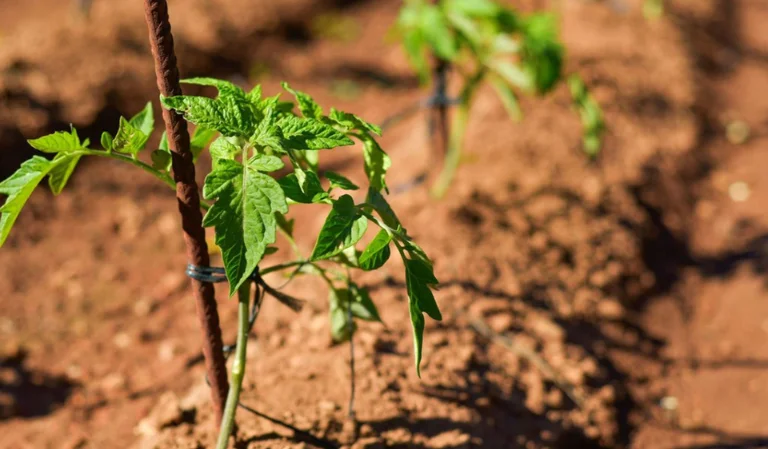
Spacing is very important in a raised bed carrot garden. When seeds are planted with enough distance, each carrot gets sufficient room to expand without competition. Overcrowding can lead to twisted or underdeveloped roots. A well-planned layout ensures even growth and easier harvesting. Raised beds make it simple to organize rows neatly, improving both productivity and appearance of the garden.
4. Layered Organic Compost Bed
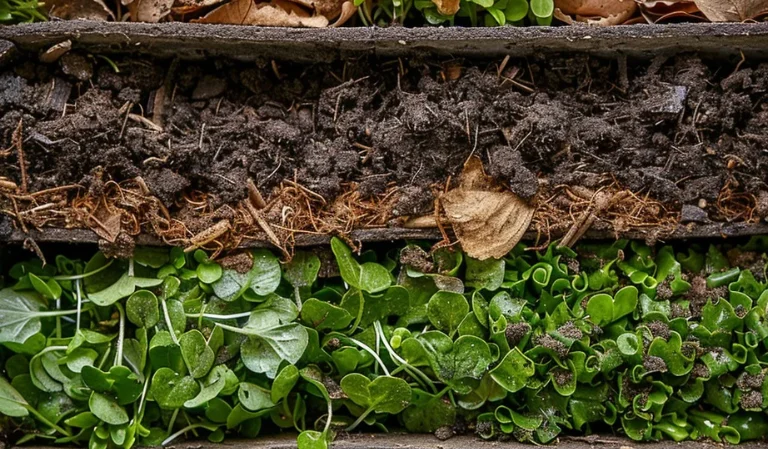
Using layers of organic compost in a raised bed enriches the soil and supports healthy carrot growth. Compost improves soil fertility, moisture retention, and microbial activity. This natural approach ensures carrots receive steady nutrients throughout their growth cycle. It also enhances soil structure, making it softer and more suitable for root vegetables. A nutrient-rich bed results in stronger, tastier carrots.
5. Mulching for Moisture Control

Mulching is an effective way to maintain consistent moisture levels in a raised bed carrot garden. A layer of organic mulch helps prevent soil from drying out too quickly and keeps temperature stable. This creates an ideal environment for root development. Mulching also reduces weed growth, allowing carrots to grow without competition for nutrients. It supports healthier and more uniform growth.
6. Sunlight-Optimized Bed Placement

Carrots need proper sunlight to grow efficiently. Placing raised beds in an area with 6–8 hours of sunlight ensures strong and steady growth. Sunlight helps in photosynthesis, which supports root development. A well-lit garden space results in healthier foliage and better-quality carrots. Proper positioning is key for maximizing yield and flavor.
7. Stone-Free Soil Preparation
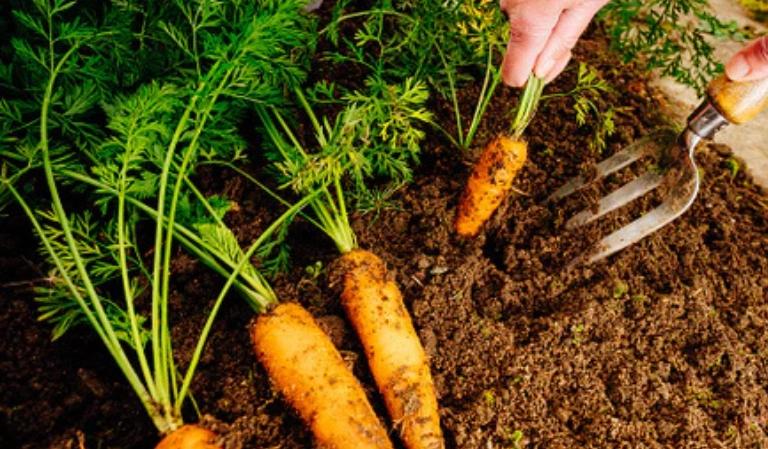
Removing stones and hard particles from soil is crucial in a raised bed carrot garden. Obstacles in the soil can cause carrots to grow crooked or deformed. A clean, fine-textured soil allows roots to grow straight and smooth. This preparation step ensures high-quality produce and reduces harvesting difficulties. It’s one of the most important steps for perfect root formation.
8. Raised Bed Depth Optimization
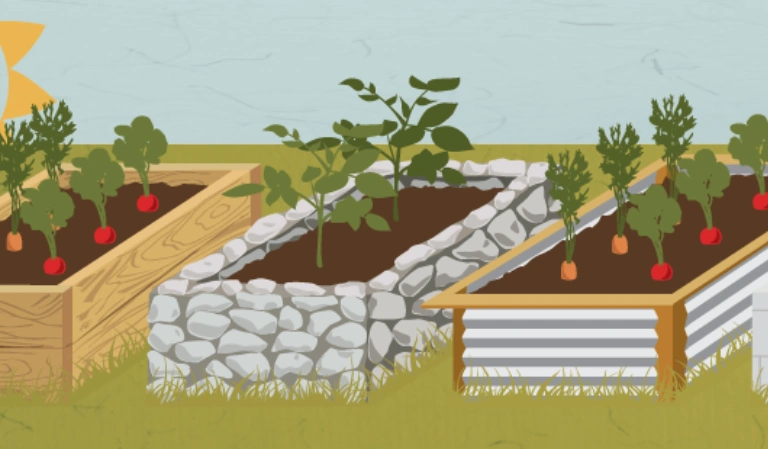
The depth of a raised bed directly affects carrot growth. Deeper beds allow longer root development and better shape formation. A shallow bed can restrict growth, leading to shorter or misshapen carrots. Proper depth ensures that roots have enough space to expand naturally. This improves both size and quality of the harvest.
9. Drip Irrigation Water System
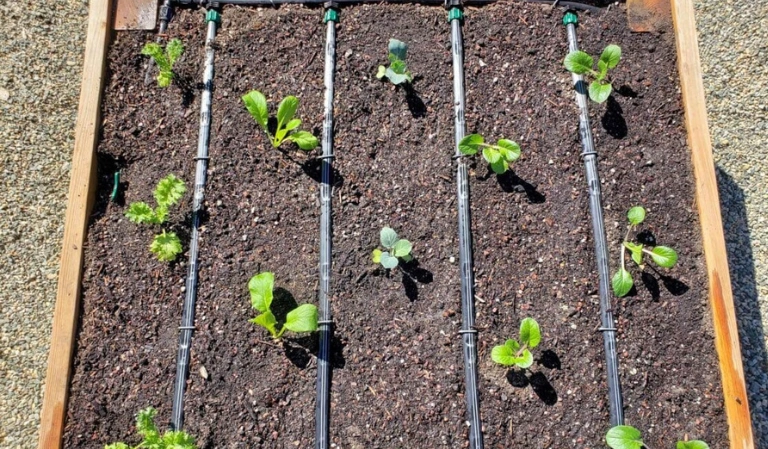
A drip irrigation system provides consistent and controlled watering, which is ideal for carrots. It prevents overwatering and ensures moisture reaches the root zone evenly. This method reduces water waste and helps maintain stable soil conditions. Consistent moisture is key for smooth and crack-free carrot growth.
10. Companion Planting Strategy

Companion planting improves carrot growth by using beneficial plant combinations. Plants like onions or lettuce help deter pests and improve soil balance. This natural method reduces the need for chemical pesticides and supports healthier crops. It also makes the raised bed more productive and diverse.
11. Seasonal Rotation Planning
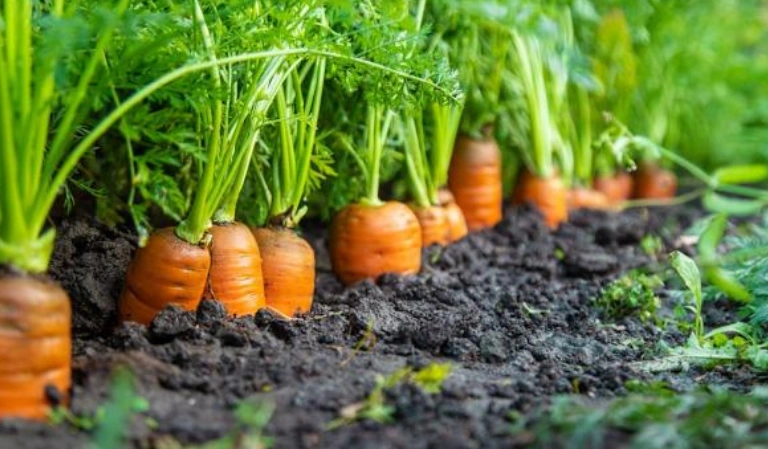
Rotating crops in a raised bed prevents soil depletion and improves long-term fertility. Changing planting locations each season reduces pest buildup and maintains soil health. This ensures that carrots continue to grow strong and healthy year after year. Crop rotation is essential for sustainable gardening.
Unique Tips
- Always use loose, stone-free soil for best root shape
- Maintain consistent watering, not too dry or too wet
- Ensure proper spacing between seeds
- Add organic compost regularly for nutrition
- Place beds in full sunlight for best growth
Conclusion
Raised bed carrot gardening is a simple yet highly effective way to grow healthy, straight, and flavorful carrots at home. With the right soil, spacing, and care techniques, even small spaces can produce excellent results. It’s a rewarding gardening method that combines efficiency with natural growth.